Chrysanthemum
Chrysanthemum Indicum

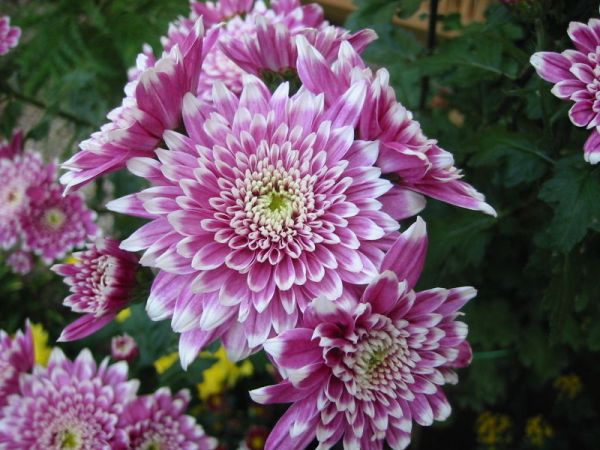
Description
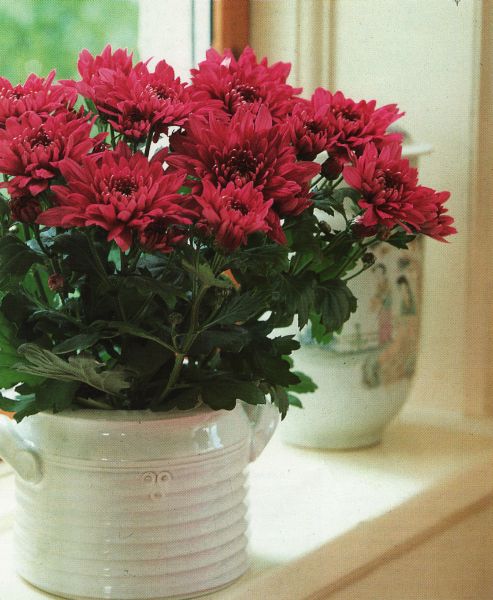
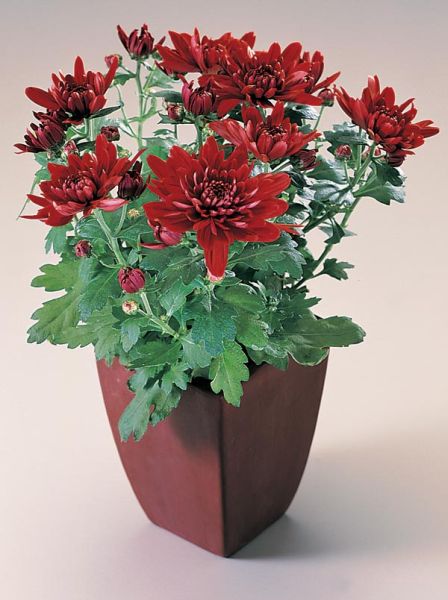
Chrysanthemums, also known as florist's mums, can be bought all year round. They can easily replace a bouquet of cut chrysanthemums.
The chrysanthemum family is large and rich in species and belongs to the aster family. These hybrids are essentially garden chrysanthemums. Their relatives include the well-known ox-eye daisies and shrubby marguerites, which are perennials.
Originally these plants grew wild in Japan and China, where they were cultivated long before our era. They grew as subshrubs or small shrubs, and their flowers took on cultural and historical significance.
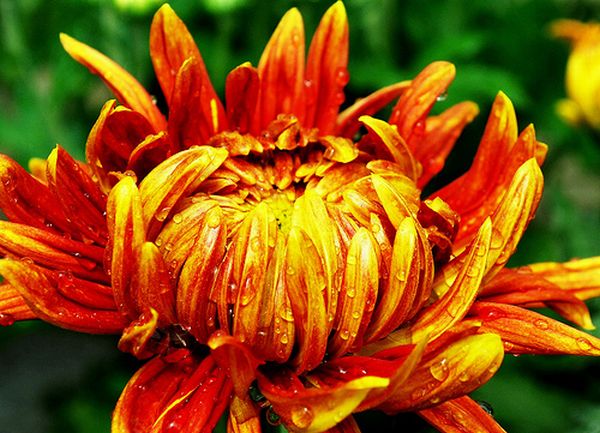
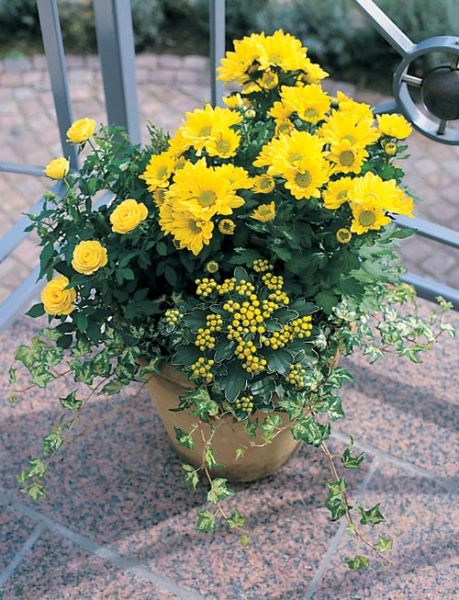
The species readily produces new varieties. Today there are chrysanthemums with single anemone-type flowers and with double flowers – spider, pompon, spoon or globe-shaped. By flower size, they are divided into large-flowered, with heads 15–20 cm across, and medium- and small-flowered, the latter only 5–10 cm across. Unfortunately the flowers have no scent. By flowering time, they are divided into early, mid-season and late. Pot chrysanthemums grow no more than 30 cm tall.
Requirements
The soil must not dry out; water moderately. They like a bright spot but not full sun. If they are to overwinter, keep them at 4–6°C. Chrysanthemums tolerate dry indoor air.
Propagation
They are propagated from cuttings. In spring, cut 10 cm shoot tips, plant them in loose soil and cover with film. Once roots have formed, the young plants can be moved into pots.
Care
Chrysanthemums should be placed in a bright spot, but not in full sun. In a cool place they flower longer. Water moderately, twice a week, but make sure the soil never dries out. During flowering feed every 14 days with liquid fertiliser.
Repotting is not necessary. If the plant is to overwinter, in spring it should be repotted into flower compost and cut back to 5 cm. Pinch out the shoot tips so that the plant becomes bushier. Remove faded flowers regularly.
When plants get sick
Dark, rusty spots – almost always caused by chrysanthemum rust, a dangerous disease that fortunately is fairly rare.
Spider mites – fairly common on indoor plants. Treating short-lived plants is not worth it. You can try a soap-and-spirit solution, but it is better to get rid of the affected plants and buy new ones, especially as spider mites spread easily to other houseplants.
A white or grey powdery coating on the green parts of the plant indicates powdery mildew, which is common in warm, dry rooms. Wash the plant with warm water and get rid of it as soon as it has finished flowering.
Before you buy
When buying a pot chrysanthemum, look for a bushy shape, well-developed flowers, fresh green leaves and plenty of buds.
Average lifespan: – almost all chrysanthemums on sale are intended to be discarded after flowering.
Difficulty of care: – a relatively easy plant to grow.