Description
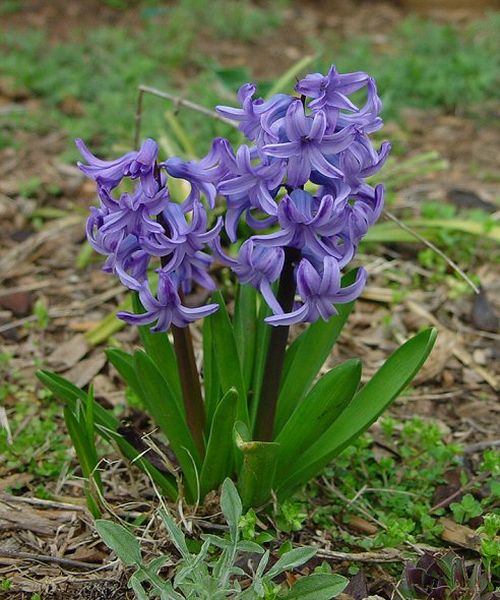
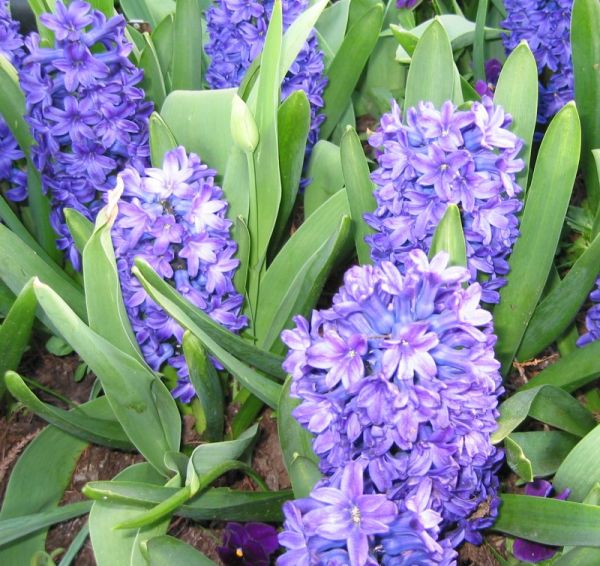
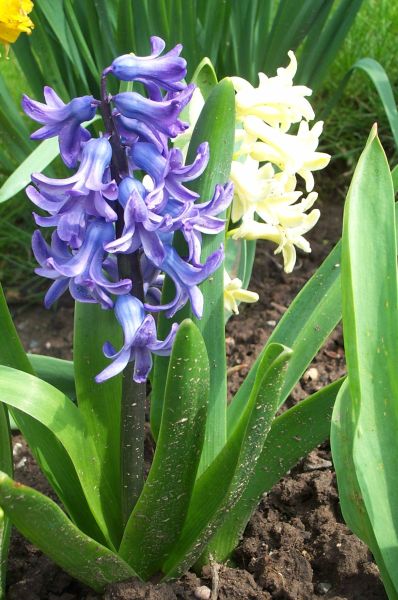
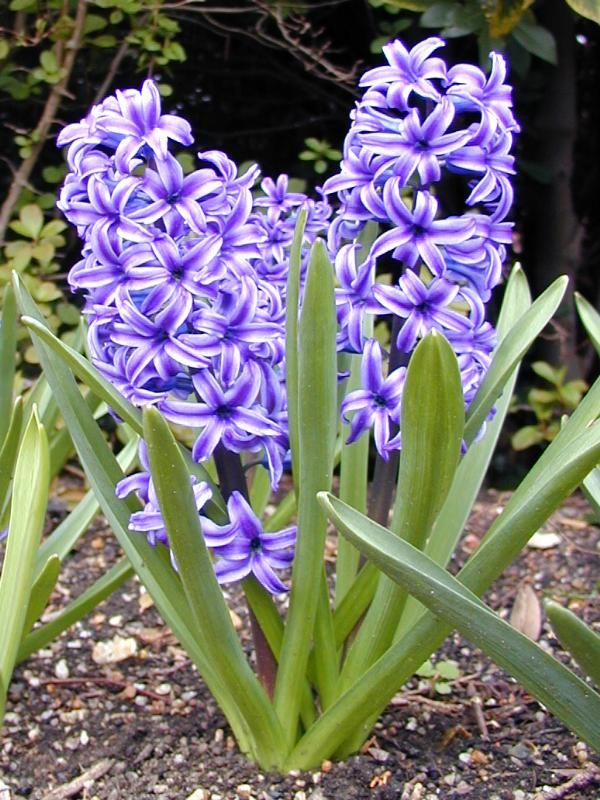
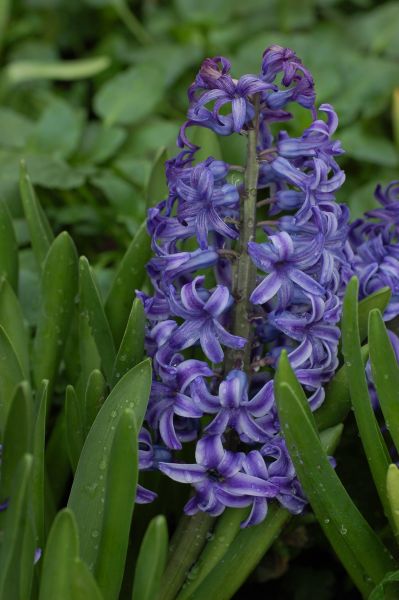
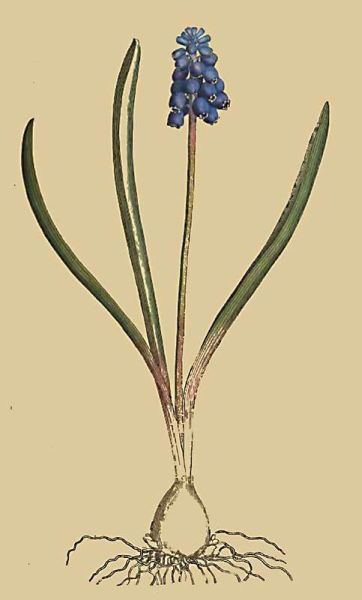
Hyacinthus comes from Asia Minor. It is a perennial bulbous plant up to 30 cm tall. The bulbs are 4–6 cm in size and covered with a tunic. The racemes of flowers, dense or loose, consist of 12–35 flowers. Hyacinth flowers in red, pink, orange, salmon, yellow, violet, white and blue have an intense scent, often described as strong.
Hyacinths are used in spring flower beds and borders. The flower spikes stay fresh for a long time in a vase. Like other bulbs, hyacinths are usually planted in fairly large groups of 1–3 kinds.
Requirements
Hyacinths like light, free-draining, fertile soil with a neutral pH, although they tolerate almost any soil except very acidic ones or those with a high water table. The position should be sunny, though light shade is acceptable. The spot should not be exposed to strong winds.
Care
Hyacinths can stay in one place for 3–4 years. However, because of the risk of fungal and bacterial diseases, it is better to lift them every year at the beginning of summer and replant them in autumn in a different fertile spot. After lifting at the end of June, dry the bulbs and store them in a cool, airy, dry place. Plant them out in late September or early October.
The planting depth should be three times the height of the bulb. Spacing depends on bulb size: hyacinths with bulbs over 14 cm in circumference are planted 18–20 cm apart, 12–14 cm bulbs 15 cm apart, 10–12 cm bulbs 8 cm apart, and 6–10 cm bulbs 4 cm apart.
It is best to cover the bulbs in winter, as hyacinths are fairly sensitive to frost. In spring, once growth starts, feed with ammonium nitrate, and after 2–3 weeks with a balanced fertiliser. In a dry spring the plants need watering. Hyacinths flower from April to May. After flowering it is worth removing the faded flowers so that they do not set seed, which weakens bulb growth.
Check the bulbs regularly during storage and remove any showing signs of disease. Before planting it is worth treating the bulbs with a fungicide.