Description
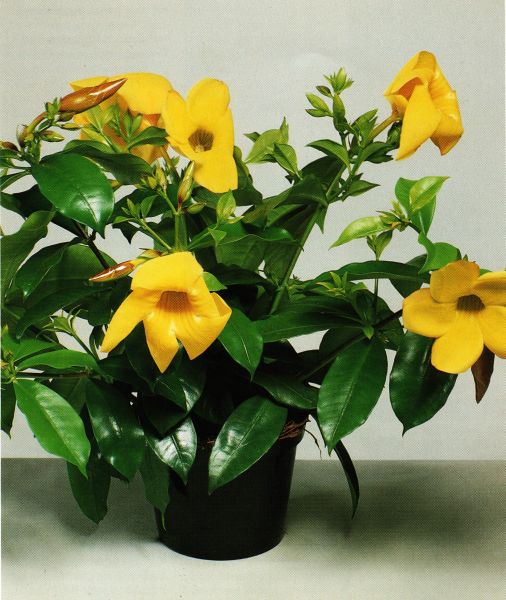
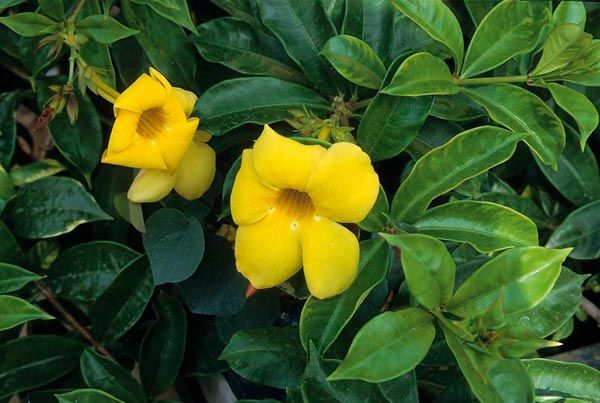
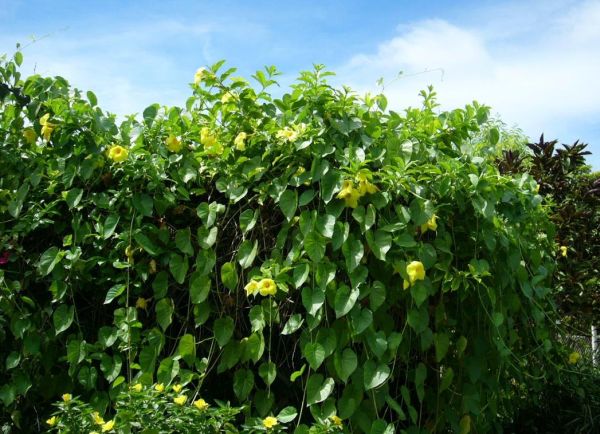
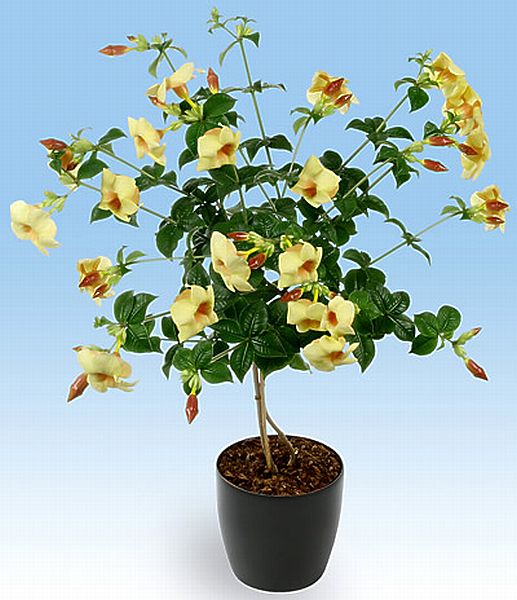
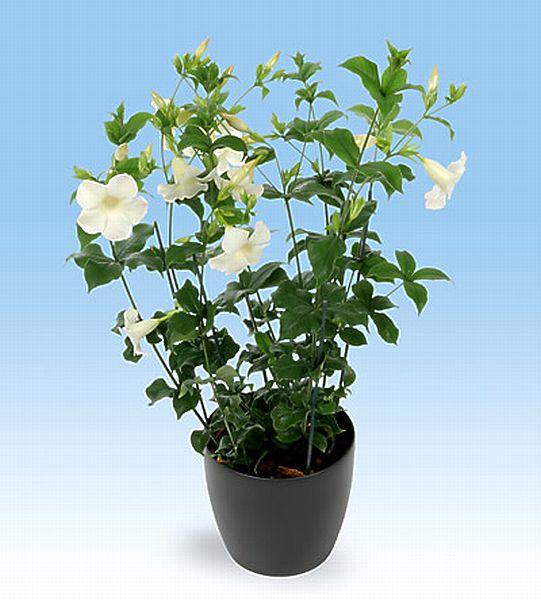
Allamanda is one of the most beautiful tropical climbers, with glossy green leaves and large yellow flowers. The species grown indoors are smaller and less vigorous.
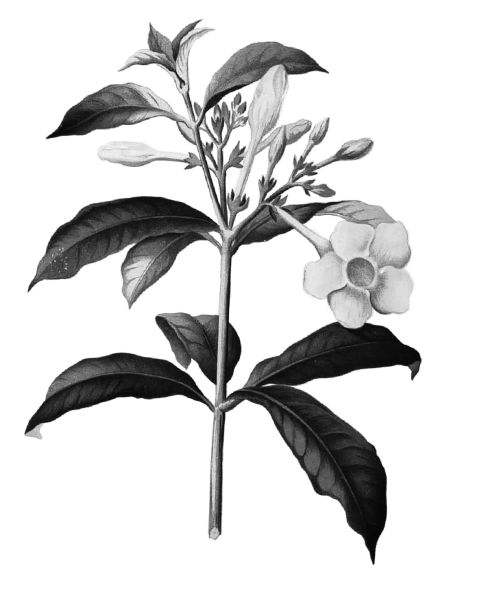
The Allamanda genus consists of strong plants with climbing and twining stems and pointed leaves arranged regularly opposite each other. Depending on the species, the leaves are 5 to 10 cm wide.
It is worth giving these exotic plants plenty of space and letting them climb up stakes or poles. The twining stems can reach 5–6 metres in height. They must be tied in very carefully with string.
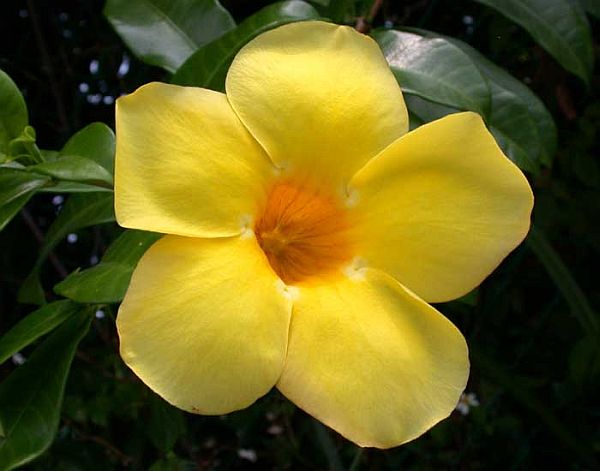
The fragrant, bell-shaped flowers can be about 10 cm long. Unfortunately they do not last long, but new ones open every day from May until December.
Requirements
Allamanda loves the sun. In tropical forests its shoots push their way up between the tree crowns to enjoy the sunlight, partly because its lower part stays in the partial shade of the lower forest layers. In our latitudes, too, it needs plenty of sun, although it must be protected from very strong sunlight. It likes high temperatures and high humidity. In winter the plant must also be kept warm, at least 15°C.
Propagation
Cut parts of the plant, especially the trimmed tips, can be used as cuttings. Place them in pots filled with a peat mix and cover with glass or a plastic bag. The temperature must reach 26–30°C. Roots form quickly. Cuttings can also be taken in late autumn, but only from older, woody shoots.
Care
When the plant is in a sunny, bright spot at the right temperature and in full growth, it needs a great deal of water – especially during flowering, from May to November. At this time it may need watering even twice a day. In summer it is good to mist the plant often, always, as with watering, using soft, lukewarm water. During the growing season feed once every two weeks.
If Allamanda is grown in a pot, it should be repotted every two years. Special compost can be used, but ordinary garden soil is enough. When repotting older plants, always choose a roomy pot. You can trim the roots at the same time. It is more difficult with plants growing in beds in a conservatory: here you can only top-dress them with 3–5 cm of fresh soil.
Allamanda kept in good conditions grows very fast, so it needs proper pruning. The best time is spring, before the start of the new growing season.
When plants get sick
Wilting shoot tips and drooping leaves – usually mean the plant has too little water. In a dry summer it must be watered carefully. Stand the plant in a container of lukewarm water for a whole day and then water it regularly.
Spots on the leaves – indicate aphids. As long as there are not too many, you can try washing the affected leaves with lukewarm water. If that does not help, use an aphid treatment.
Before you buy
Average lifespan: – it can live a very long time.
Difficulty of care: – caring for it at home is not that easy.