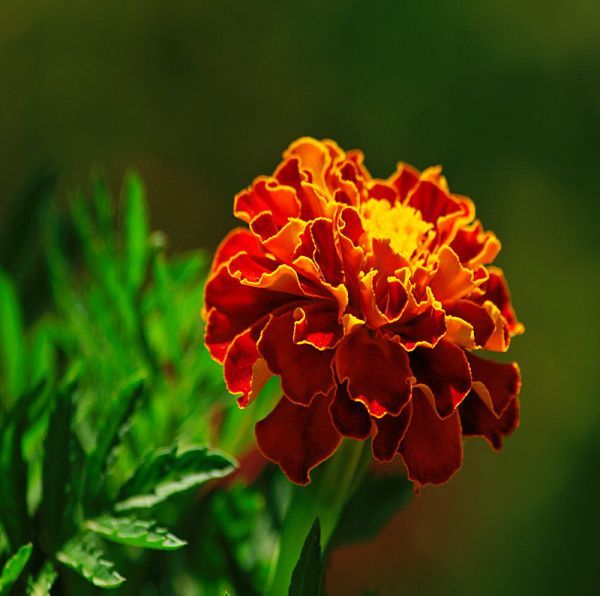
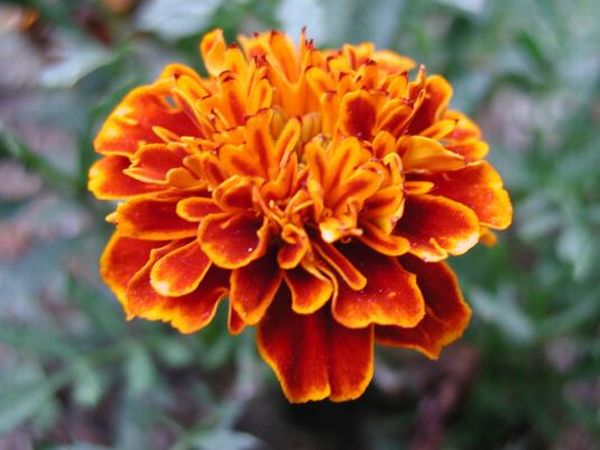
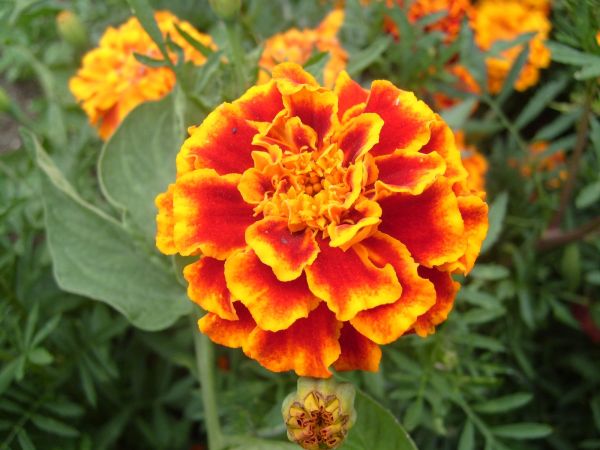
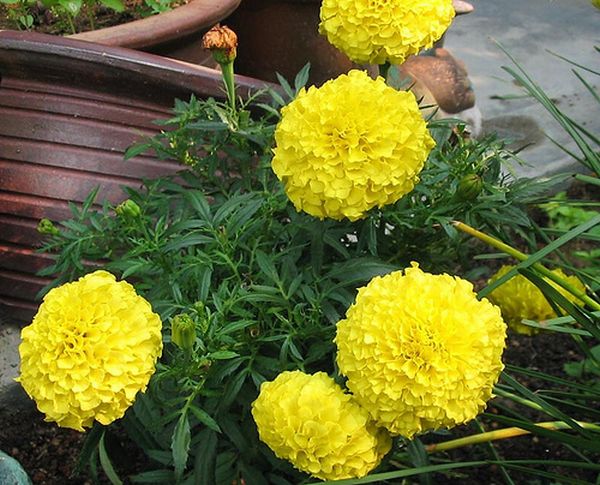
Description
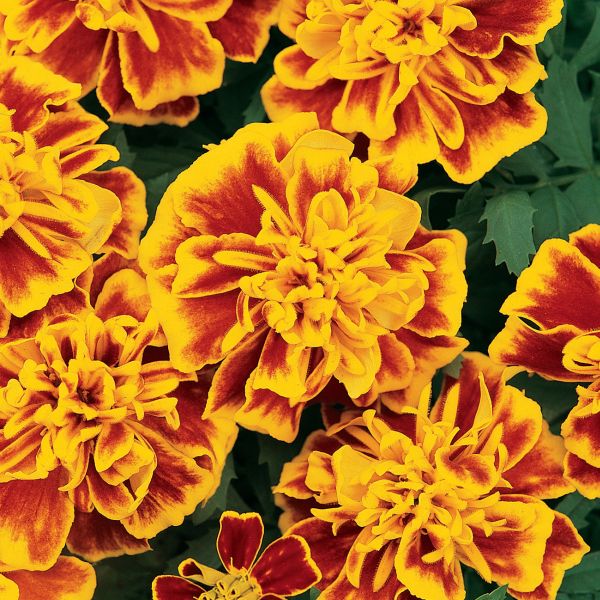
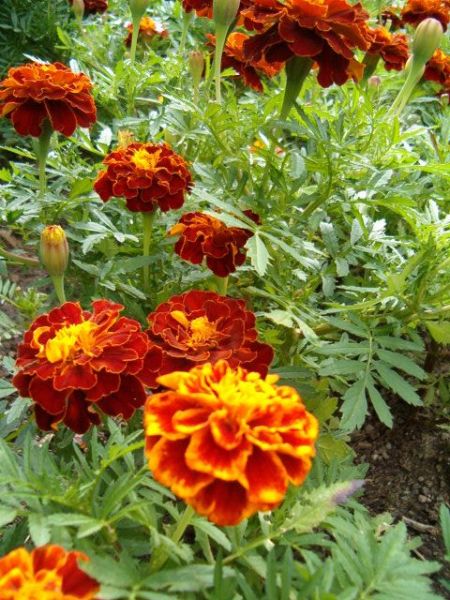
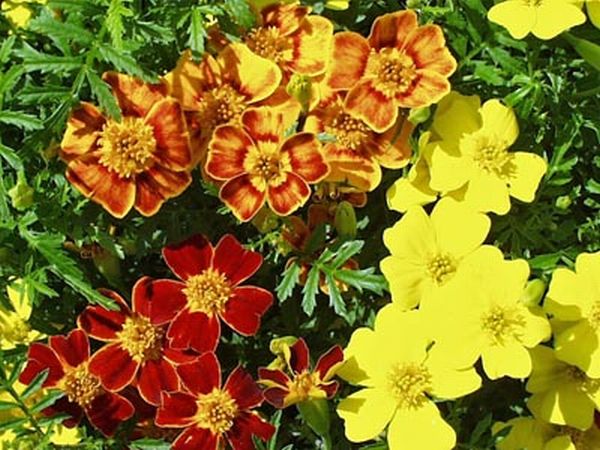
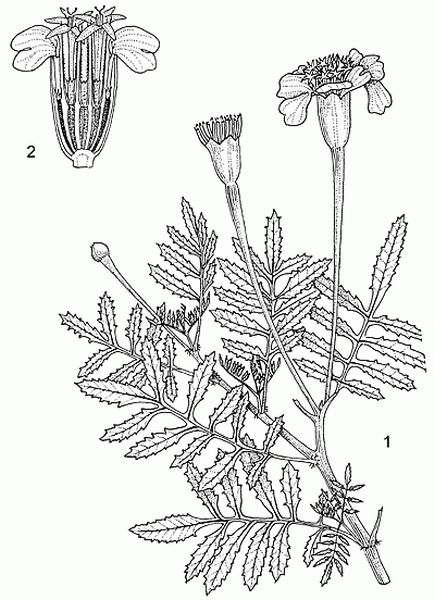
Marigolds are very popular flowers in Poland. They belong to the aster family and come from warmer regions of the Americas, where there are about 20 annual species. They have strongly branched stems and opposite leaves with an intense scent; scentless varieties are now also available. Marigolds differ in habit, leaf appearance, height, and in the structure and arrangement of their flower heads. The most common are yellow and orange in various shades, though white ones are also available. In Poland we grow species originating from Mexico.
Requirements
Marigolds are not fussy about soil. They like sunny positions but also grow well in partial shade. They are exceptionally resistant and drought-tolerant.
Propagation
Sow seeds in April under glass. For fast germination, provide 20°C. Prick out the seedlings when they are 5 cm tall.
Care
Plant out in the final position in the second half of May, 20–25 cm apart for lower varieties and 30–45 cm for taller ones. They flower 12 weeks after sowing. Marigolds are among the least demanding ornamental plants and tolerate drought and heat very well. They have no great soil requirements and grow even in poor soil, though they then flower less. They do best in a sunny position but also tolerate partial shade. Take care not to overfeed them, especially with nitrogen, which makes the plants too lush and results in weaker flowering.
When plants get sick
During long periods of rain the flowers may wilt and turn brown, which means grey mould has attacked the plants. Marigolds can also be attacked by pests – slugs, spider mites and aphids.