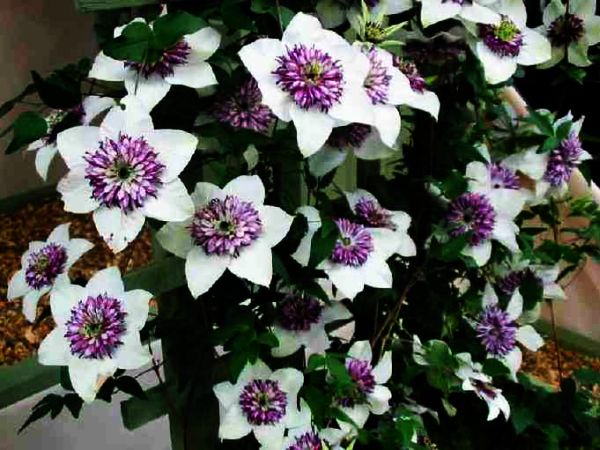
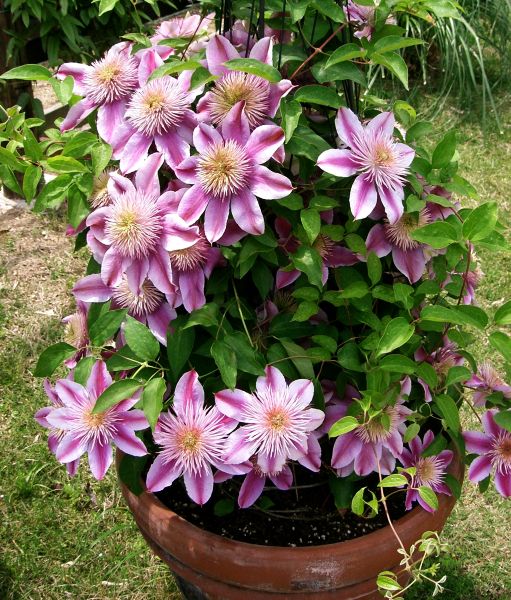
Description
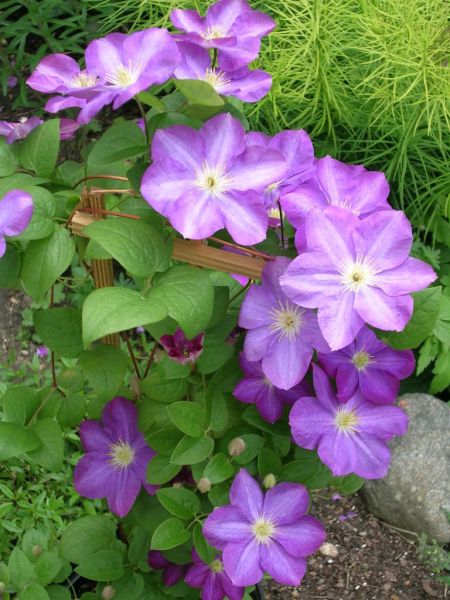
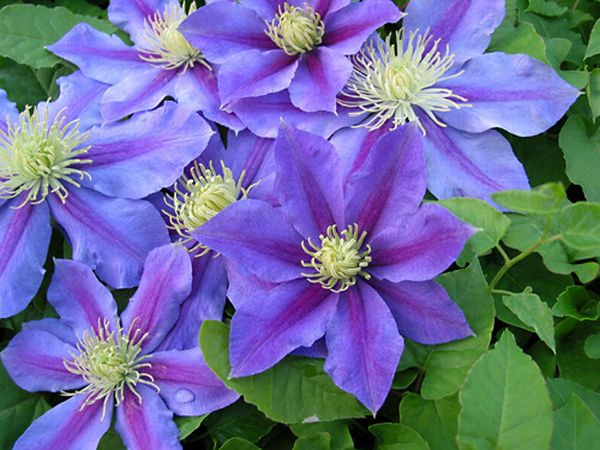
Clematis is one of the most beautiful climbing plants. It is known for its abundance of star-like flowers. Clematis grows from eastern Europe to central Asia.
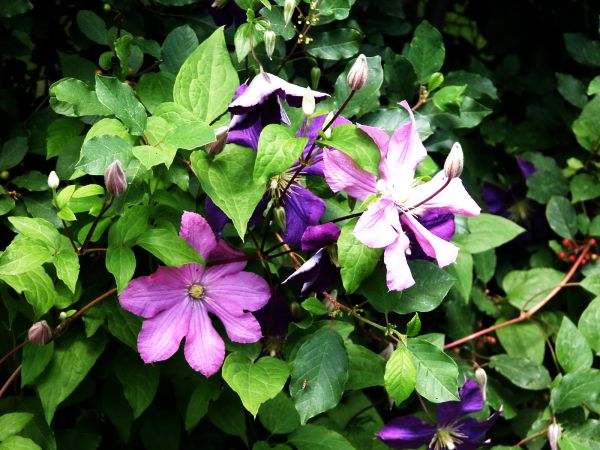
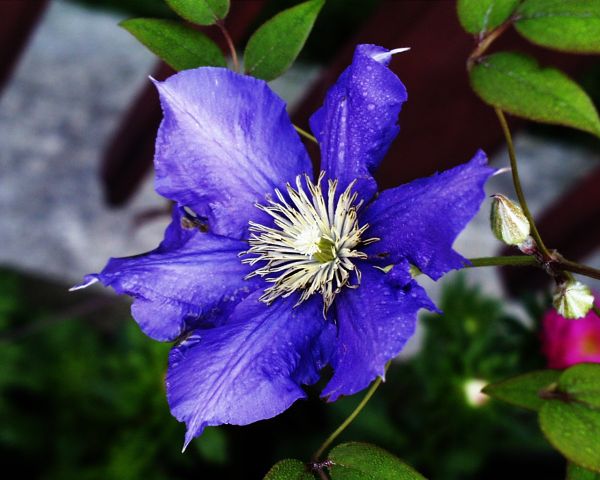
There are many varieties and species of clematis: plants with large and small flowers, upright and nodding, in various colours. Using its leaf stalks, clematis can climb even thin battens fixed to a wall.
Requirements
Clematis loves the sun – the more it gets, the better it flowers. Its root system, however, should be in the shade, so plant it where the base can be shaded. Some clematis varieties can grow and flower in partial shade. The position should be sheltered from the wind.
Clematis needs humus-rich, free-draining soil rich in calcium. Peat-based soil suits it well; if your garden soil is heavy, mix it with peat. Clematis needs feeding once a year. Also make sure the soil has the right moisture level: clematis likes moist but not waterlogged soil. Do not let the soil dry out, as clematis are very sensitive to this.
Propagation
From seed – sow the seeds in pots filled with soil, sand and gravel. The pots can be put out on a balcony or in the garden. Once the seeds have germinated, the plants grow to 10–20 cm over the summer. In late autumn transplant them singly into pots and keep them over winter well wrapped and protected, ideally in a garden shed. In spring they can be planted in the chosen spot.
From cuttings – if the plants produce few seeds, take cuttings from semi-ripe shoots and plant them in pots of free-draining, nutrient-rich compost that encourages rooting. Cover the pots with plastic film. When the cuttings have rooted by late autumn, wrap the pots well for overwintering. In spring it is worth leaving the plants in their pots for a while longer before planting them in the chosen spot.
Care
Clematis can be planted from April to mid-November. Pruning is an important part of clematis care, as it encourages branching and more abundant flowering. It can be done from the beginning of February to the end of April. Cut the shoots back to about 0.5–1.0 cm above healthy buds and remove dead leaves and shoots.
When the plant grows in a large container, it must be watered properly. Plants in the garden need watering only during prolonged droughts. Once a year it needs feeding with a balanced fertiliser solution.
When plants get sick
When all or part of the plant wilts – clematis wilt is caused by fungi. Cut the wilting shoots back to healthy tissue and seal the wounds with wax. When new shoots grow, spray them every two weeks with a fungicide. Repeat until the symptoms disappear.
Few flowers – a common problem with small-flowered plants. It simply means they are too dense. Thin them out, and spread out the remaining shoots and tie them to supports.
Before you buy
Clematis is best bought from a nursery in spring or late autumn.
Average lifespan: – it can live a very long time.
Difficulty of care: – it is not an easy plant to care for; some have special, unusual requirements and habits.