Description
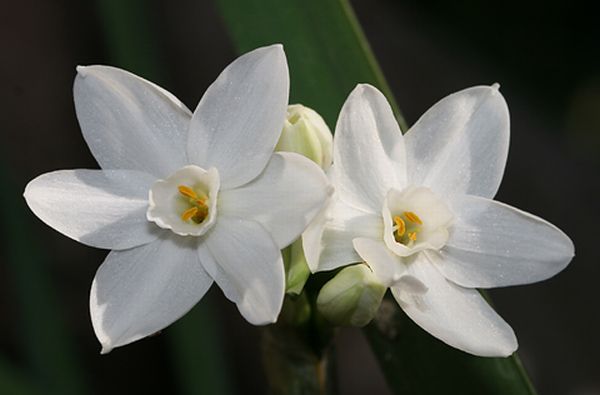
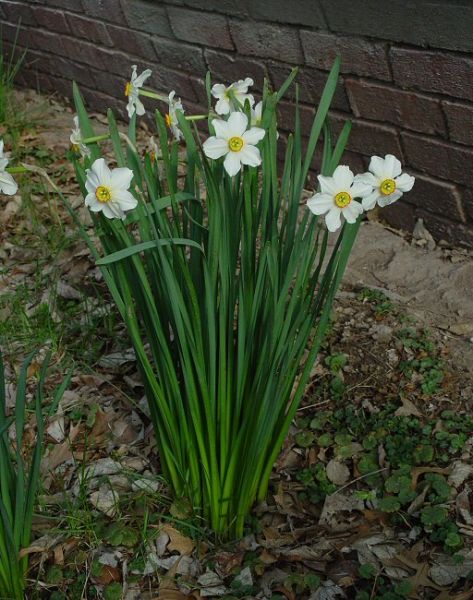
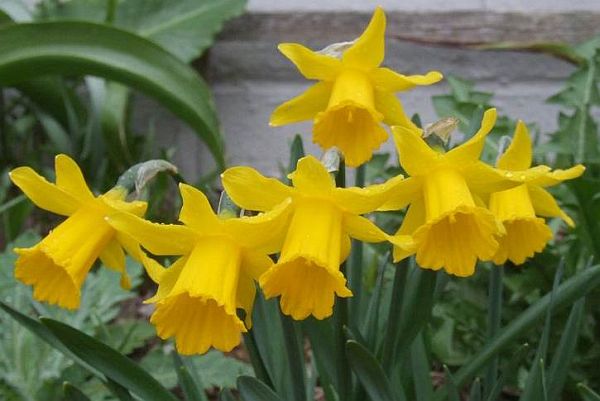
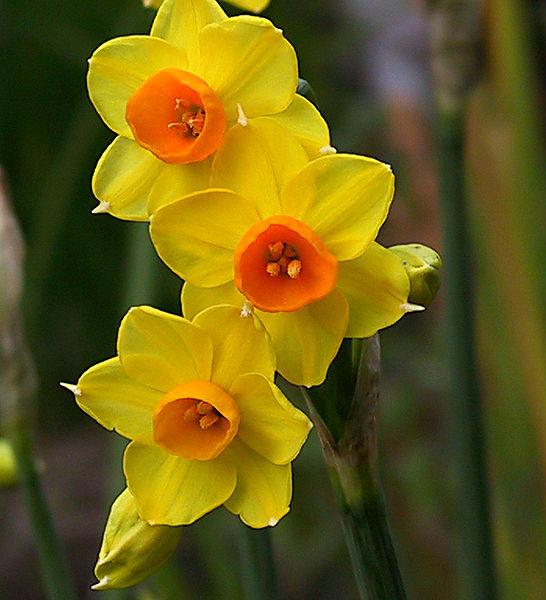
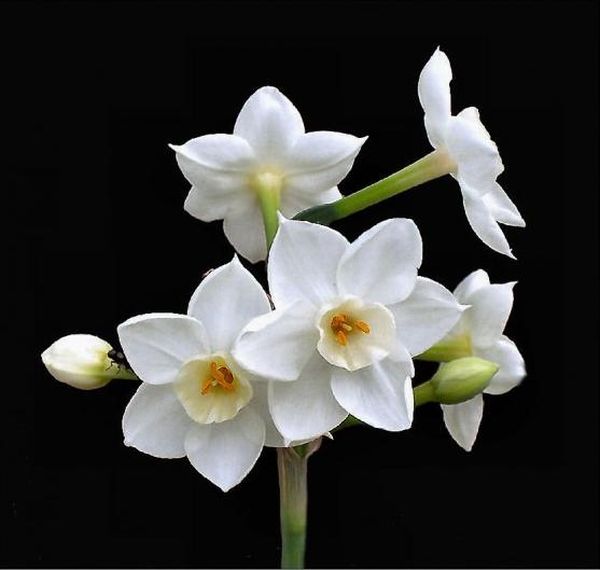
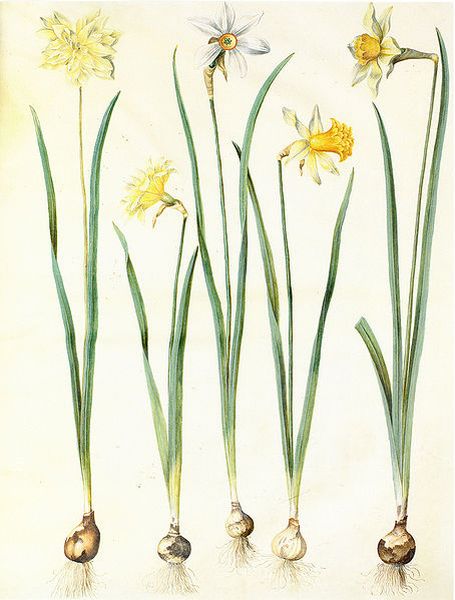
Daffodils are among the most popular ornamental spring-flowering bulbs. Their beauty lies in the flowers that appear from March to May in every shade of white, yellow and orange. A daffodil flower consists of six perianth segments and a characteristic tube called the corona (trumpet or cup). The petals may be white or various shades of yellow, while the corona may be white, yellow, intense orange, pink and sometimes red. The genus Narcissus includes about 40 species, and over 10,000 varieties are known. Taking into account, among other things, the shape of the flowers, daffodils are divided into groups: trumpet, large-cupped, small-cupped, double, triandrus hybrids, cyclamineus hybrids, tazetta hybrids, jonquilla hybrids and split-corona hybrids. The remaining groups include the so-called botanical daffodils – species, forms and natural varieties of wild daffodils.
Daffodils are suitable for occasional bouquets and flower arrangements. Remember that cut daffodils make other flowers wilt faster, because they release a sticky sap that is harmful to other species. To avoid this, stand the daffodils in a vase of lukewarm water a day before the other flowers. Within 24 hours the sap will have drained from the daffodils and will no longer threaten other flowers. Changing the water the next day lets you safely add other flowers. Increasingly, we also decorate our homes with daffodils in pots.
Requirements
Daffodils grow in practically any soil, except very light and poor or heavy and waterlogged ones. The best for them, however, is humus-rich, moist soil. These plants are adapted to dry, hot and short growing seasons and have a remarkable ability to survive. Daffodils like sunny places but also tolerate light shade. They can stay in one place for several years without being moved, and usually flower most abundantly in the second to fourth year after planting.
Care
Daffodils do not need winter protection, but to protect the bulbs from big drops in temperature, cover the planting site with a few centimetres of peat, shredded bark, straw or dry leaves. In spring, after the frosts, remove the cover and water generously. If daffodils are planted in grass, remember not to mow the lawn for about a month after they finish flowering. At the end of July, when the leaves have dried, you can lift the bulbs, dry them, store them in a dark, airy place and replant them at the beginning of September. This is not essential, though – the bulbs can be left in the ground, but stop watering to give them a rest period. Large-cupped and trumpet daffodils should be moved to a new place every 2–3 years, while daffodils from the other groups can stay in the same place for many years.
In late autumn it is good to feed the soil with a compound mineral fertiliser, which the plants will use in early spring, just after growth starts.
When plants get sick
To protect the bulbs from voles, you can plant them in plastic mesh baskets or crates buried in the ground.
Before you buy
Average lifespan: – Can live for a very long time.
Difficulty of care: – Easy to grow.