Description
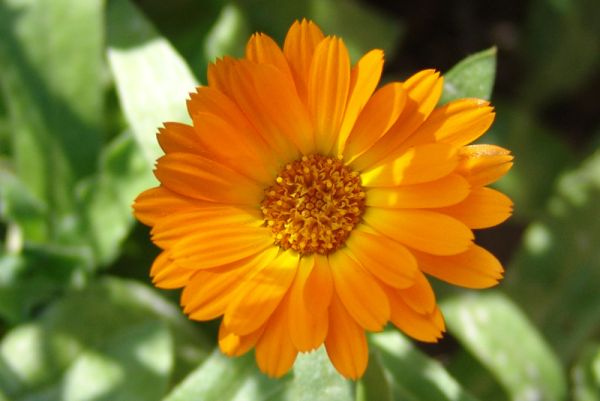
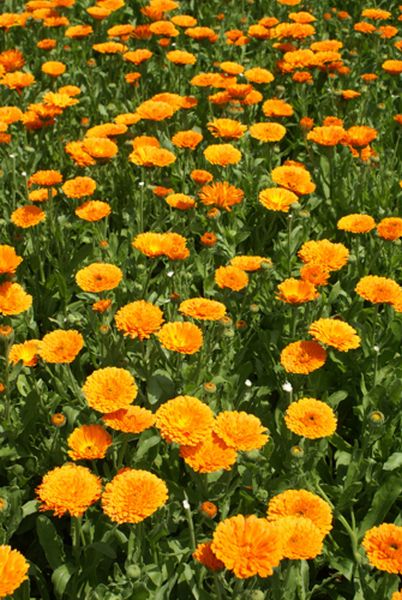
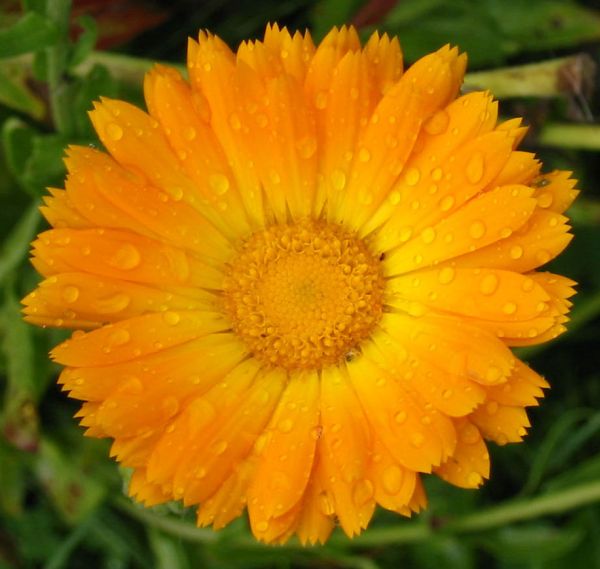
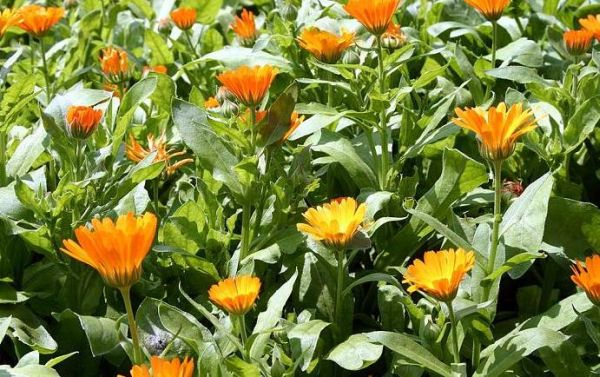
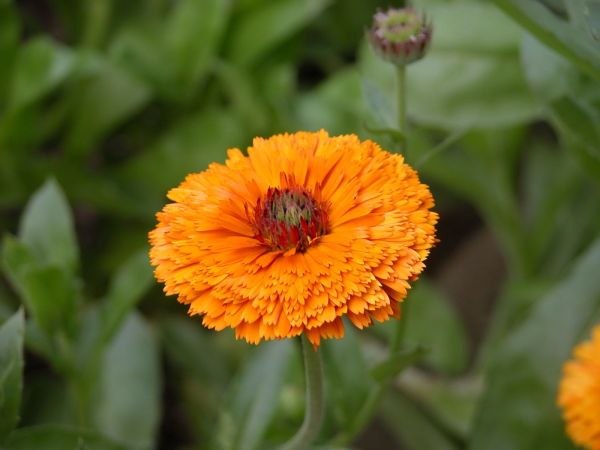
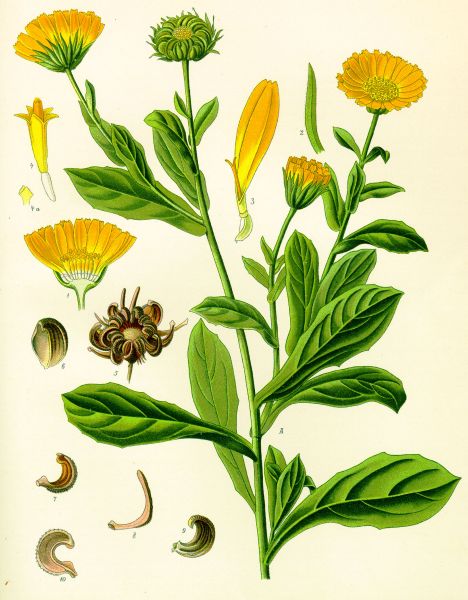
The pot marigold belongs to the aster family and is very popular. Although about 20 species are known, the queen among them is Calendula officinalis. Known for hundreds of years, this species is famous not only for its decorative value but also for its medicinal properties, which are still used today. Calendula officinalis comes from southern Europe and has a bushy habit, reaching 60–70 cm in height. The thick, rough stems are heavily branched, with scented leaves – spoon-shaped in the lower part of the plant and smaller and lance-shaped higher up. The single flower heads are orange or yellow and of various forms, 5–10 cm across. Among the cultivars there are several groups, including double-flowered forms.
Requirements
Pot marigolds are not demanding to grow.
Propagation
They are propagated by seed sown directly outdoors from April to the end of June. They flower 8–10 weeks after sowing.
Care
To get plants in good condition, give them fertile soil and a sunny position. Sow them in spring, usually in rows 25–35 cm apart; in favourable conditions the first seedlings appear after only a week. Once they have grown a little, thin them out to leave single seedlings 15–25 cm apart. If you sow the seeds in autumn, you will be able to admire the flowers as early as the end of May.
These flowers bloom for a long time, and with a little help they can flower until late autumn: remove faded flowers, prune appropriately, feed moderately if necessary and watch out for signs of disease.