Description
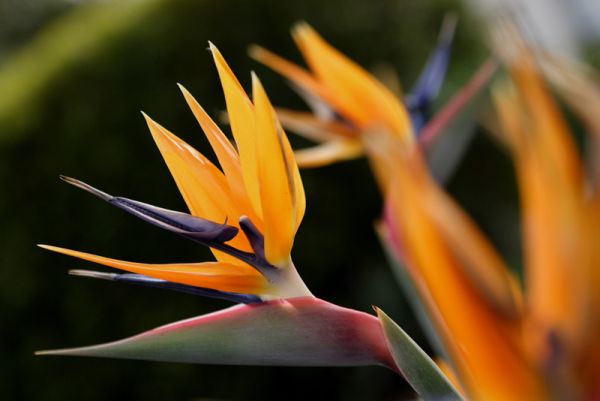
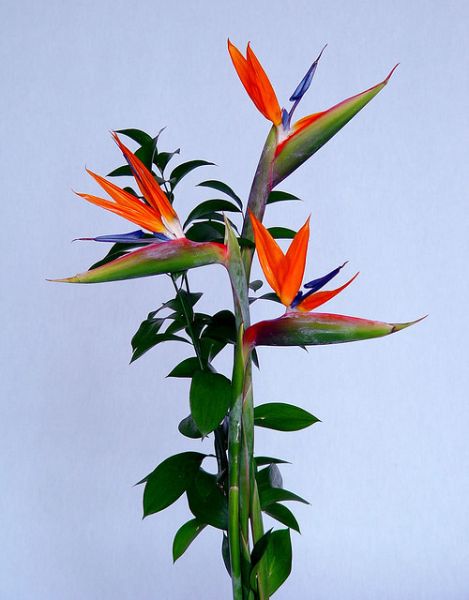
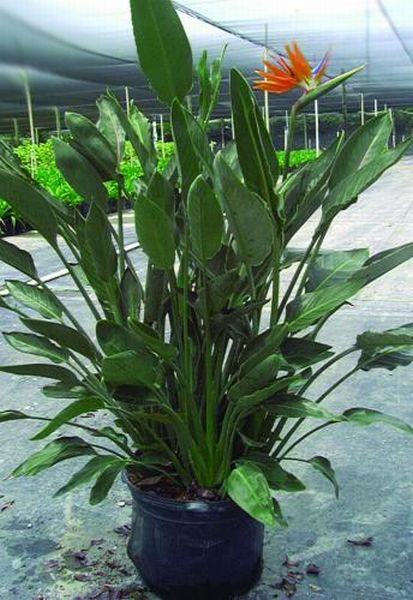
Strelitzia reginae has an extraordinary flower head and is known around the world as the bird of paradise. It grows in South Africa and is an exceptionally tough plant that adapts easily to different conditions.
In warm countries it has long been used to decorate not only gardens but also roadsides, motorway roundabouts and squares. In our climate it can only be grown as a pot plant.
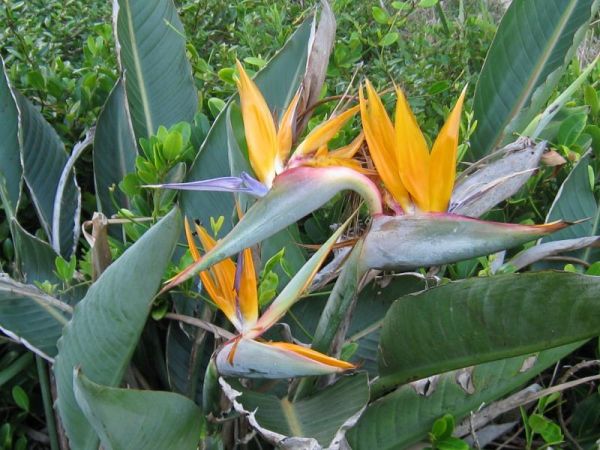
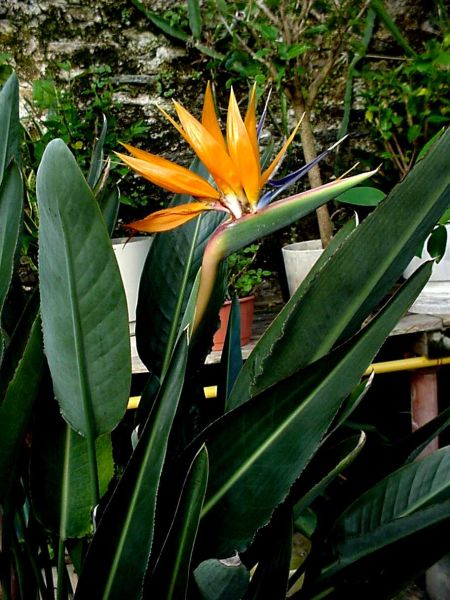
Strelitzia does not form tall stems; its long-stalked leaves, more than a metre long, grow from underground rhizomes. There are several varieties. As a pot plant the most commonly sold is the variety 'Humilis', which reaches at most a metre in height. Besides the flowers, strelitzia is decorated by its beautiful, stiff, steel-grey leaves on long, thick stalks. The leaves of some varieties have attractive, clear veining. The plants flower from February to the end of spring, and in favourable conditions from September to the end of April.
Requirements
Strelitzias do best in bright, airy places, on balconies or near windows. They tolerate sun, but grow poorly when exposed to it all day.
Propagation
Strelitzias are propagated in spring from seed or by division.
Care
Strelitzias have an extensive root system and produce many offsets, so they must be grown in very roomy containers. Prepare a heavy, fertile, loamy compost made of equal parts turf loam, sand and clay garden soil. The pot should have plenty of holes in the bottom and a thick drainage layer to protect the rhizomes and roots from excess moisture; expanded clay sold in small packs at florists is best. Strelitzias are very hungry plants: during growth feed every 2 weeks, ideally with fertilisers low in nitrogen and rich in micronutrients. Do not use organic or nitrogen fertilisers, as they reduce flowering.
In hot weather air the plants, mist them and water fairly generously, but let the compost dry slightly first. From October reduce watering – the plant should then have a rest period, during which its life processes slow down considerably. If this period were skipped, it would flower less in spring, or not at all. In the wild all the leaves often dry up during dormancy and the plant only starts growing after the spring rains. Indoors, however, this is avoided by watering often with small amounts, so that the top layer of compost is dry or only slightly moist. Strelitzias like humid air and in winter should stand away from radiators, ideally next to a humidifier. They are warmth-loving plants and the room temperature must not drop below 10°C. Protect them from frosty draughts too. The optimum temperature is 20–25°C during growth and 18°C during winter dormancy.
In February, when the days get longer, start watering more generously – that is when they flower. If the previous summer was hot and dry, they usually flower not only in spring but also in autumn. Do not reduce watering if flower stems form in September. This happens when the plants accidentally dry out in summer; although no new leaves grow, strelitzia can then flower continuously until the end of winter.
From May to September it can be put out on the terrace or sunk into the ground in the garden. The spot should be lightly shaded and – above all – sheltered from the wind. The leaf blades of even the smallest pot varieties are over 50 cm long and borne on long stalks; a light wind that does no harm to other garden plants can break them. Also make sure strelitzias do not touch neighbouring plants – like their relatives the bananas, their leaves tear easily.