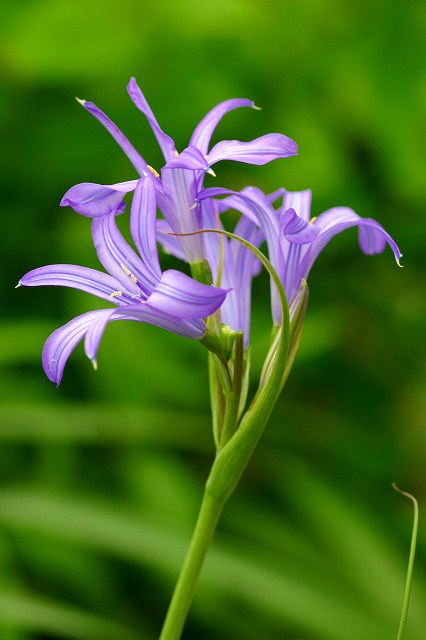
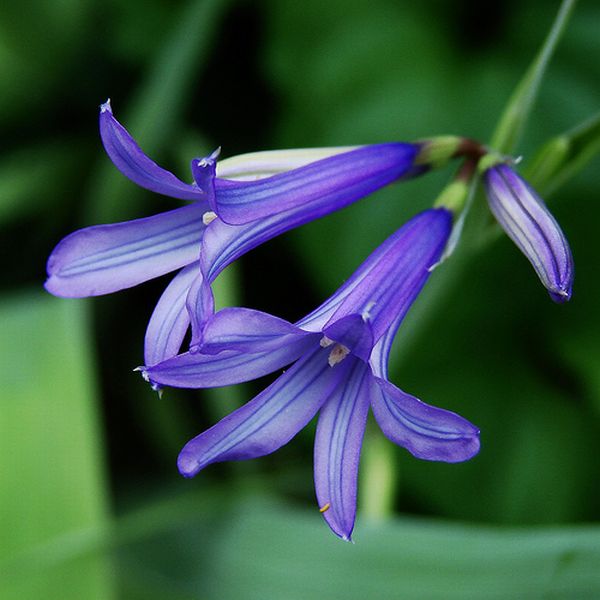
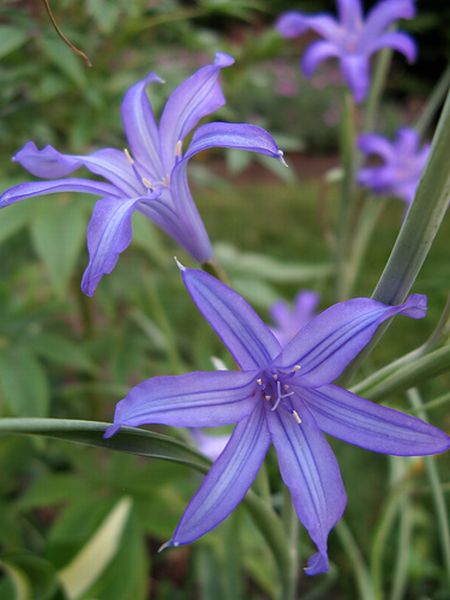
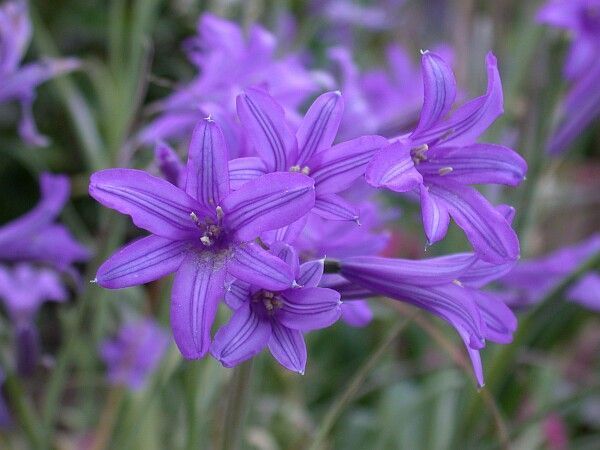
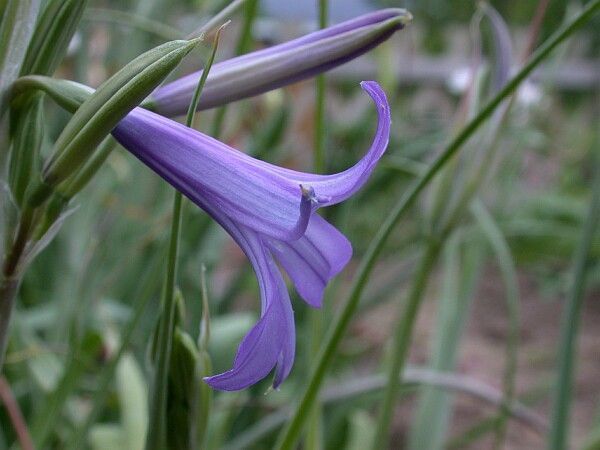
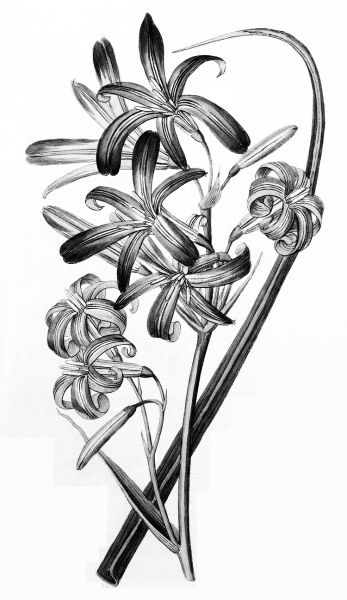
Description
Ixiolirions are charming bulbous plants. They produce white, blue or violet flowers gathered in clusters on long stems. They are grown as garden or indoor plants.
These beautiful early-summer plants belong to a small but very varied genus related to the amaryllis family. The plant grows on the steppes of Asia, in areas stretching from Turkey to Mongolia, where harsh winters are common and the ground is covered with snow for several months. Ixiolirion is used to a harsh climate. Outdoors in our conditions it overwinters with difficulty – not because of frost, but because of damp. Outside the spring season, the bulbs do not tolerate high moisture.
In spring Ixiolirion takes up more water so that it can produce its narrow, dark green, grass-like leaves. From bulbs about 3 cm across, numerous flower stems grow between the leaves. They reach 40–50 cm in height, and beautiful star-shaped flowers form at their tips. They come in various colours and are faintly scented.
Requirements
It needs light soil, ideally mixed with sand. During flowering water it fairly generously; for the rest of the time, water quite sparingly.
Propagation
Ixiolirion can be propagated from offset bulbs planted at the end of summer, although small bulbs often overwinter very badly. It can also be propagated from seed.
Care
October to February – In October plant several bulbs together in deep pots, so that the roots have enough room and the plants good support. Put a drainage layer at the bottom of the pot. The compost should be a mix of sand and garden compost. Watering is hardly necessary. Keep the pots in a cool but frost-free place.
March–June – At the end of winter move the pots to a bright position and water thoroughly. The growing period, which is short, begins in these months. Before the plant forms its first buds, the pot should stand somewhere cool, later somewhere warm. Also feed the plant with a weak fertiliser solution.
July–September – The bulbs ripen. Stop feeding and gradually reduce watering. When the leaves have withered, lift the bulbs. Store healthy bulbs in a dry, cool room until September, when they are planted again.
When plants get sick
Grey mould – shows as black spots on the bulbs. Even spraying with fungicides does not help – the bulbs must be destroyed.
Bulb mites – attack damaged bulbs. Dip the bulbs briefly in an insecticide solution.
Yellow-green spots on the leaves – a symptom of viral disease. Affected plants must be destroyed.
Eelworms (nematodes) – can deform the stems. Soak the bulbs for three hours in warm water with added insecticide.
Before you buy
The bulbs should have no black spots and should be firm.
Average lifespan: – it can be grown for several years, but new bulbs are usually bought each autumn.
Difficulty of care: – the plant flowers easily.