Description
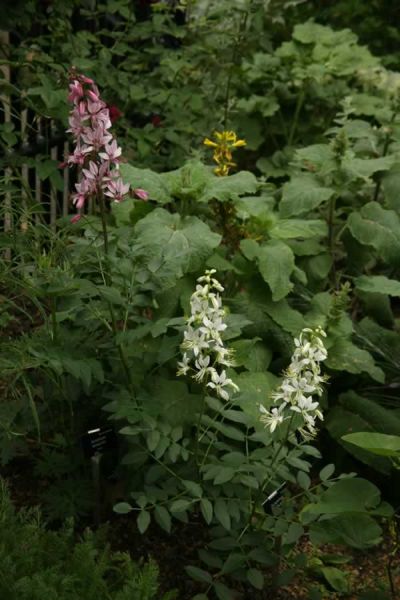
The burning bush, or gas plant, is a long-lived perennial of the rue family. It is widespread in central and southern Europe. It also grows wild in Poland, but is extremely rare. The plants form very strong, thick roots and stiff stems 60 to 120 cm tall, sparsely clothed at the base with stalked pinnate leaves made up of about 10 egg-shaped, finely toothed leaflets dotted with black points. The plant is hairy and covered with numerous glands that release flammable essential oils, especially before the fruits ripen, so the plant smells of lemon or cinnamon. According to the literature, in a hot climate these oils can ignite spontaneously in very hot weather – hence its common name, "Moses' burning bush". It is believed that Dictamnus may have been the biblical bush that burst into flames before Moses' eyes.
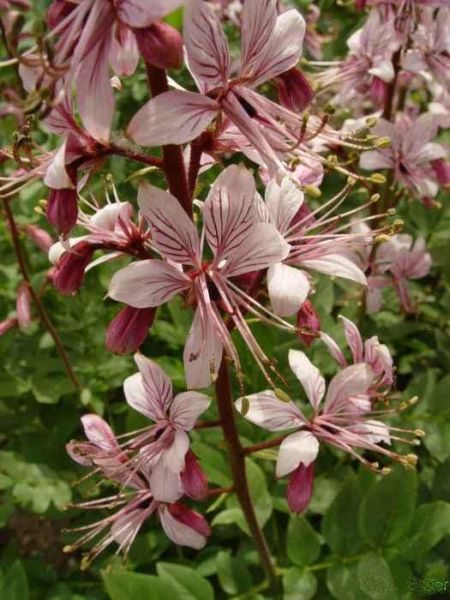
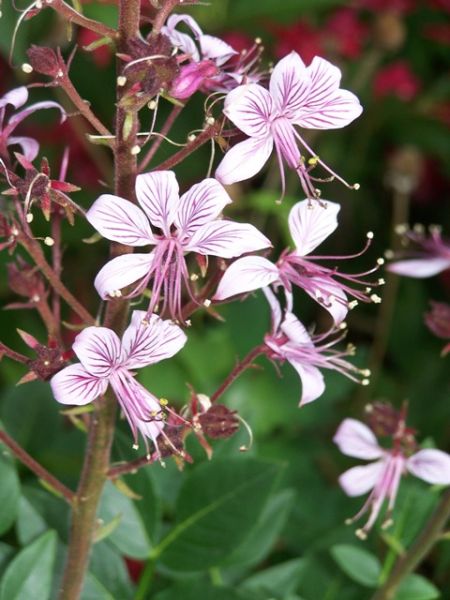
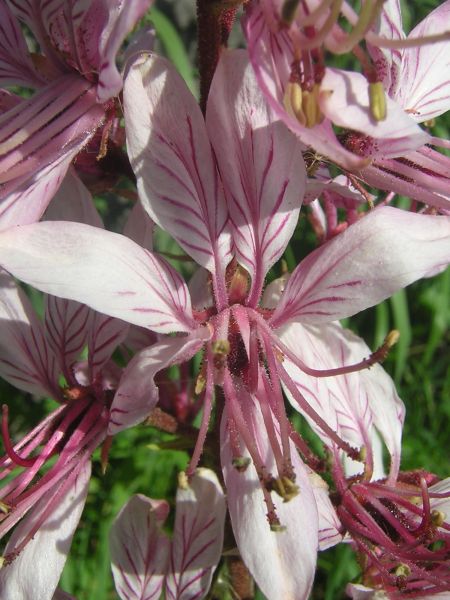
It flowers from the end of May to July. The white or pink fragrant flowers are gathered in showy, dense, cone-shaped racemes. The flowers have dark veins; four of their petals point upwards and one points down. The fruit is a five-chambered capsule. The plant provides herbal material: leaves, flowers, roots and seeds.
Requirements
It needs deeply cultivated, sandy, humus-rich, chalky soil of low moisture and a sunny position.
Propagation
It is propagated by seed sown straight after harvesting into a seedbed outdoors. The following year the plants are planted out in their final position at 40 x 50 cm. Seeds can also be sown in February–March in trays under cover; they germinate irregularly after 30–40 days at 18°C.
Plant the seedlings in pots 10–12 cm across and grow them on in these over the summer. The seedlings need shade and even moisture. Plant out in their final position in September at 40 x 50 cm.
Care
They flower after 3–4 years. The plants grow slowly but are long-lived – up to 20 years. Older plants should not be moved, as they do not like it.