Description
Scale insects are especially troublesome in greenhouses and homes. When a plant starts to decline for no visible reason, it may well be an attack by scale insects.
They also attack ornamental plants growing outdoors, as well as shrubs and fruit trees. Scale insects often look as if they were part of the plant, so their presence is often noticed only when the plant can no longer be saved. The plant slowly weakens and soon starts to look poorly. Sometimes sooty mould grows on the insects' sticky excretions, which indicates the presence of the pest.
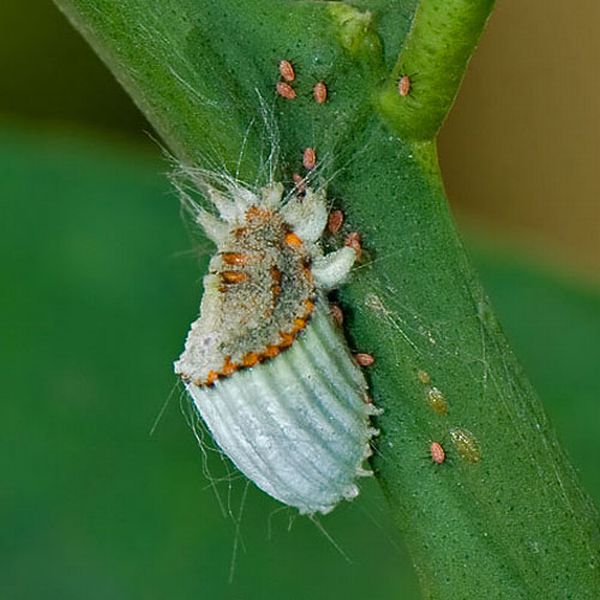
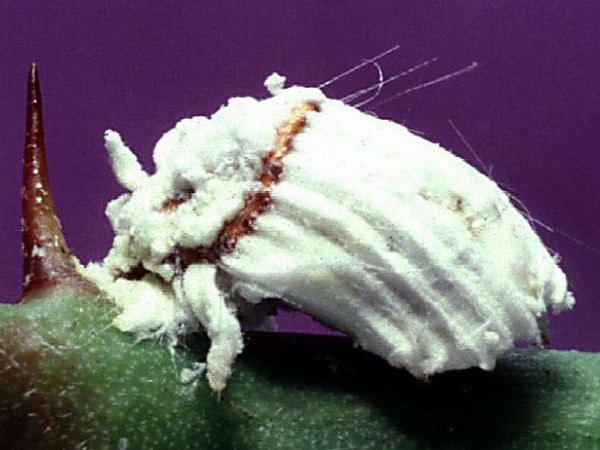
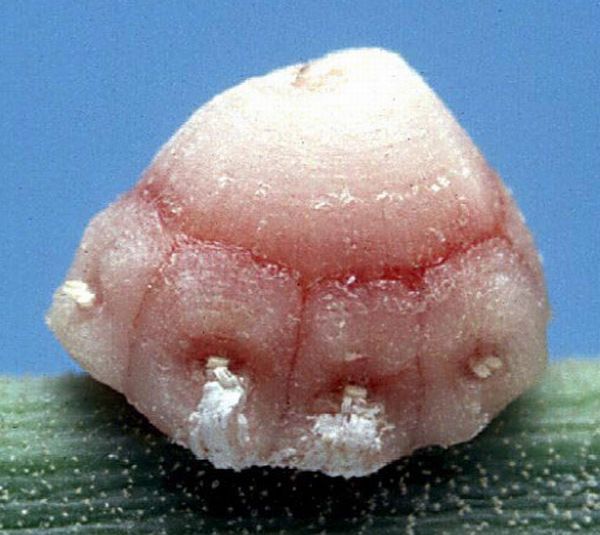
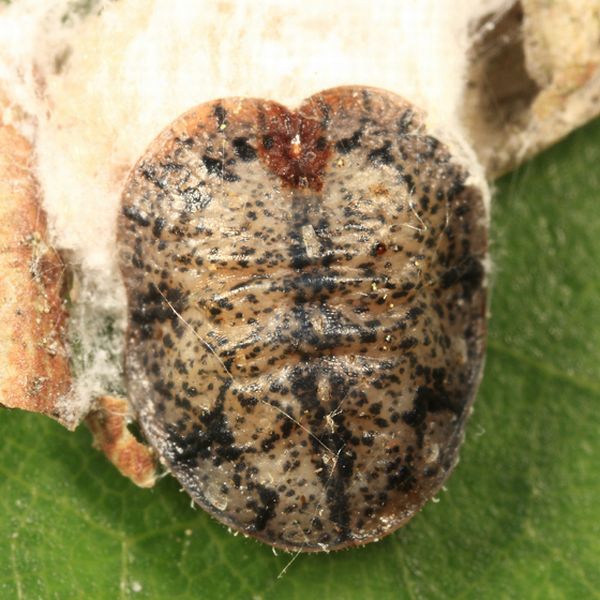
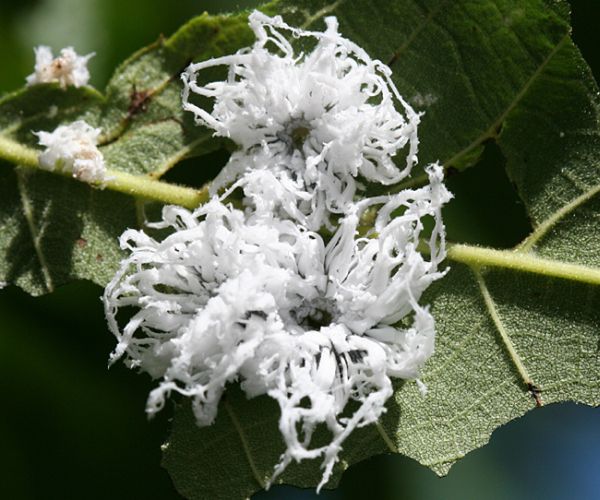
Scale insects look like white, brown or domed shields on the undersides of leaves, often clustered along the leaf veins or on the stems. They are small sap-feeding insects that weaken the plant by inserting their mouthparts into its tissues. They are usually immobile but can move to new feeding sites. Most scale insects are either larvae or adult females hidden under white, yellow or brown shields. The females lay numerous eggs under their shields or waxy coverings. It usually takes a few weeks for the young larvae to hatch.
Control
The best option is a systemic insecticide with stomach and contact action intended for pests on the above-ground parts of ornamental plants – scale insects, soft scales, greenhouse whitefly, mealybugs and aphids – on plants grown by amateurs indoors and on balconies. Inside the plant it acts systemically.
It acts on pests on the above-ground parts of plants by ingestion and contact, and works systemically within the plant. It destroys aphids, mealybugs, soft scales, scale insects and whiteflies.
Dosage
Houseplants – depending on pot diameter:
- up to 12 cm – 1 tablet
- up to 15 cm – 2 tablets
- over 15 cm – 3 tablets
Container plants – depending on the number of plants in a balcony box: 1 tablet per plant or per 12 cm of box length